Abu Dhabi Turns the Page: What the 2026 Book Fair Says About the Global Publishing Industry
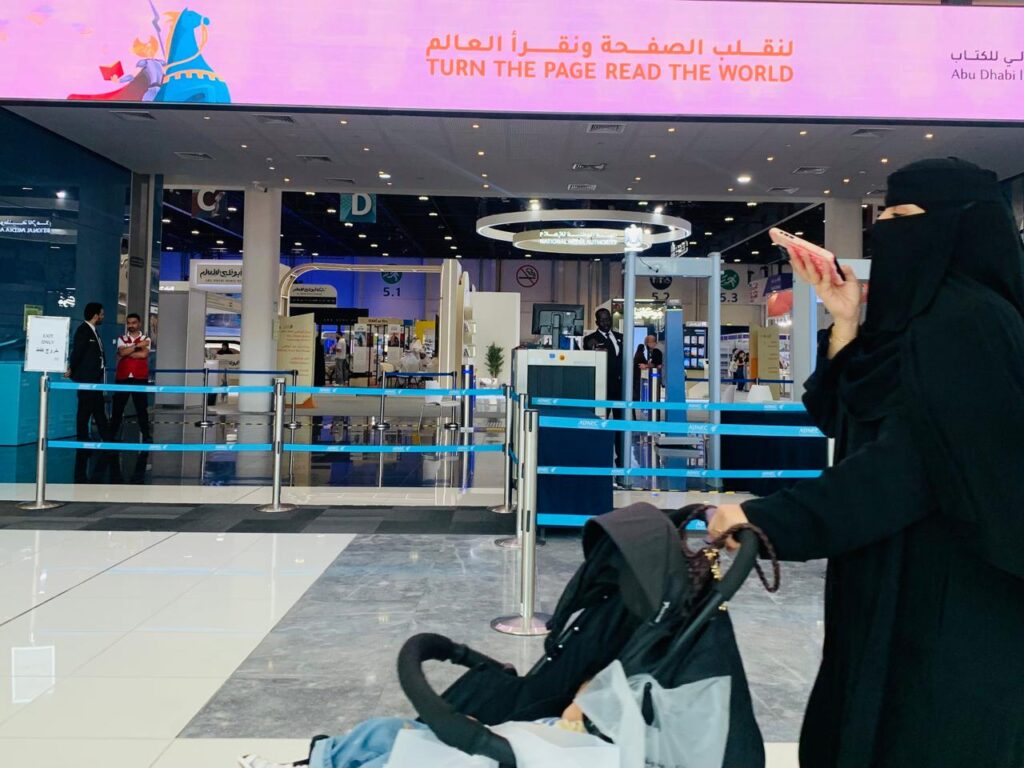
A postponed fair returns to an increasingly digital publishing world
The return of the Abu Dhabi International Book Fair (ADIBF) in September 2026 carried significance beyond literature.
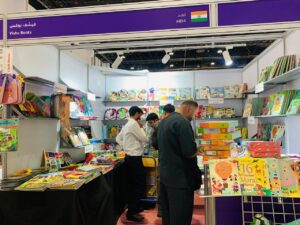
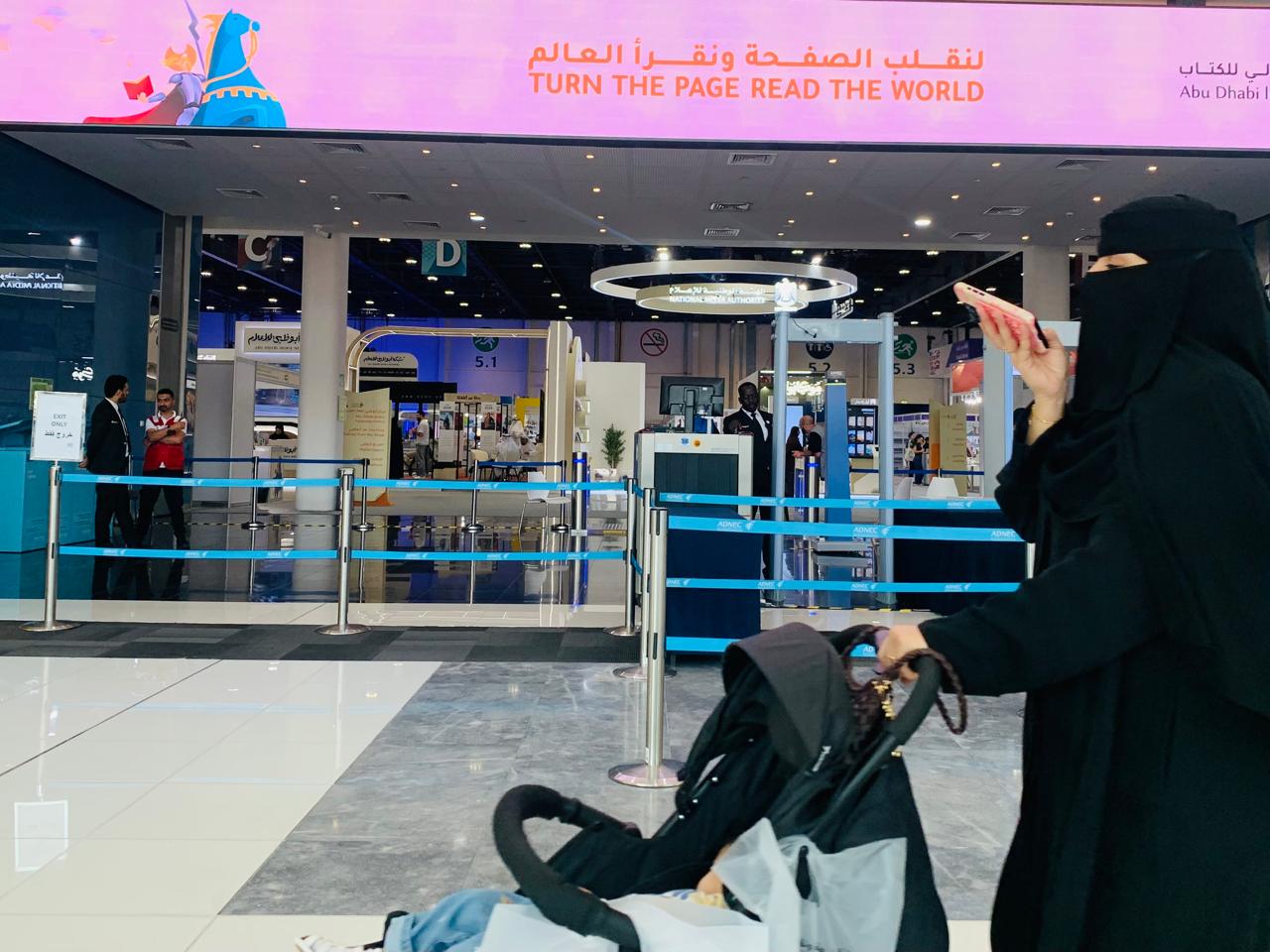
The 35th edition, held from 13 to 18 September at ADNEC Centre Abu Dhabi, was originally scheduled for April but was postponed after consultations with international publishers and partners over travel mobility, international participation and logistical considerations. Its return brought together 1,200 exhibitors from 95 countries, with more than 1,500 events and activities.
That international scale comes at a time when the publishing business itself is changing rapidly.
Books are becoming a multi-format business
Market research estimates put the global publishing industry at approximately US$298.4 billion in 2025, with the market projected to reach about US$307 billion in 2026. Book publishing accounted for an estimated 59.6% of the global publishing market in 2025, while Asia-Pacific represented approximately 42.3% of the market.
The numbers tell only part of the story.
Publishers are increasingly working across print, e-books, audiobooks, translation, licensing, digital learning and other formats. Artificial intelligence is also entering editorial, production, discovery and rights-management processes.
Abu Dhabi reflected that transformation in its own professional programme. ADIBF 2026 placed artificial intelligence, digital transformation, intellectual property, translation and rights exchange among its key industry discussions.
Abu Dhabi’s growing role
The fair has evolved considerably since its beginnings in 1981. Today it is positioned not simply as a retail book exhibition but as a meeting point for publishers, authors, educators, rights professionals and cultural institutions.
The 2025 edition had already attracted around 400,000 visitors, 1,400 exhibitors from 96 countries and more than 64,000 students.
The September 2026 edition therefore represented more than the resumption of a postponed event.
It demonstrated how a modern book fair can sit at the intersection of culture, education, technology, tourism and international business.
The book may remain the product.
But increasingly, the real business is the content, rights and intellectual property behind it.